
Listen to this inspiring talk by Bishop Fulton J. Sheen about the importance of adoration.

 One of the pictures that I have in my office was taken in 1966, at the wedding of my mom’s younger sister, Mary Ann. There are four people in the picture — me, my two cousins, Harry and Tommy LaHood, and our grandmother, Cecilia (Ceil) LaHood. My cousins and I are standing together with our arms around each other’s shoulders. I’m in the middle, my cousin Harry is to my right, and Tommy is to my left. Grandma Ceil is standing behind us with a smile on her face. She looks like she could have been our Guardian Angel.
 Her name is Victory Boyd. She’s 27 years old and she grew up in an African American, Christian family of nine children. She started singing with her family when she was four years old. I had never heard of her until I read an article that reported that she had been scheduled to sing the national anthem on September 9th at the National Football League’s (NFL’s) opening season game. The day before the game, the NFL cancelled her performance because she had not received the COVID-19 vaccination.
 Last month, while a few of our grandsons were at our house for the day, Georgette read a children’s book to them about Tarzan. Later in the day when I came home from work, one of the boys followed me around the house and asked me several questions about Tarzan. He wanted to know what I knew about him, if I had ever read any books about him, and what TV shows and movies about Tarzan that I watched when I was his age.
 I recently filed a lawsuit against the owners of a business that was responsible for my client’s injuries. After a copy of the lawsuit was delivered to the owners of the business, the owner’s insurance company hired an experienced defense attorney — I’ll call him Joseph — who has been a trial lawyer for more than 45 years.
 I’ve written before about my sister, Anna Maria. She was the 11th child in my parent’s family of 17 children. One of my earliest memories of her is when she was two years old. Every time I saw her, she was clutching her security blanket. It didn’t matter whether she was sitting, standing, walking, running, or laying down, it was as though her security blanket was attached to her body. She was always happy, and out of all my sisters, she had the sweetest disposition.

 Over the years, I have periodically written about when my six daughters were teenagers. During those years, I attempted to drive home the point that they needed to be careful not to let their guard down when they met a nice guy who appeared to have his act together. I did my best to persuade them to work at discovering the qualities and defects of the young men they met before developing a relationship with them.

 My wife and I took a few days off last week and drove to Branson, Missouri, for a short vacation. It was our third trip to Branson. Our last trip there was more than 15 years ago. One of the reasons we wanted to go to Branson was because we had heard about a Broadway-quality musical show about the life of Jesus that was playing at one of the theaters. The title of the show was Jesus.
 I have a client — I’ll call her Joanne — who is a devout Christian. Joanne periodically contacts me and asks for my opinion about a faith-based issue she is struggling with. She recently asked me if I think she has an obligation to assist her husband’s mother — I’ll call her Frances — with her basic personal, healthcare, and financial needs.
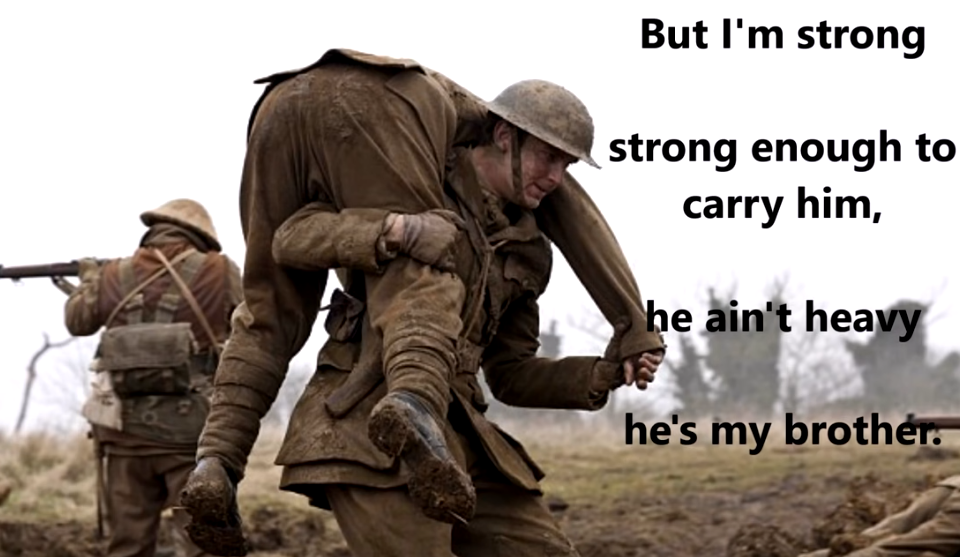
 The year was 1969. I was 12 years old and I had a paper route, money in my pocket, and a radio on the nightstand that was next to my bed. Back then, the world I lived in was as close to paradise that a 12-year-old boy could get. Other than 8-track tape players in cars, the only way we could listen to prerecorded music was on a radio or a record player.


 A few years ago, I did something that was very unusual. At my daughter Christine’s wedding reception, I got up and told our guests what my five requirements were for a man who wanted to marry one of my daughters. Before I share my five requirements with you, I need to give you some background information.